
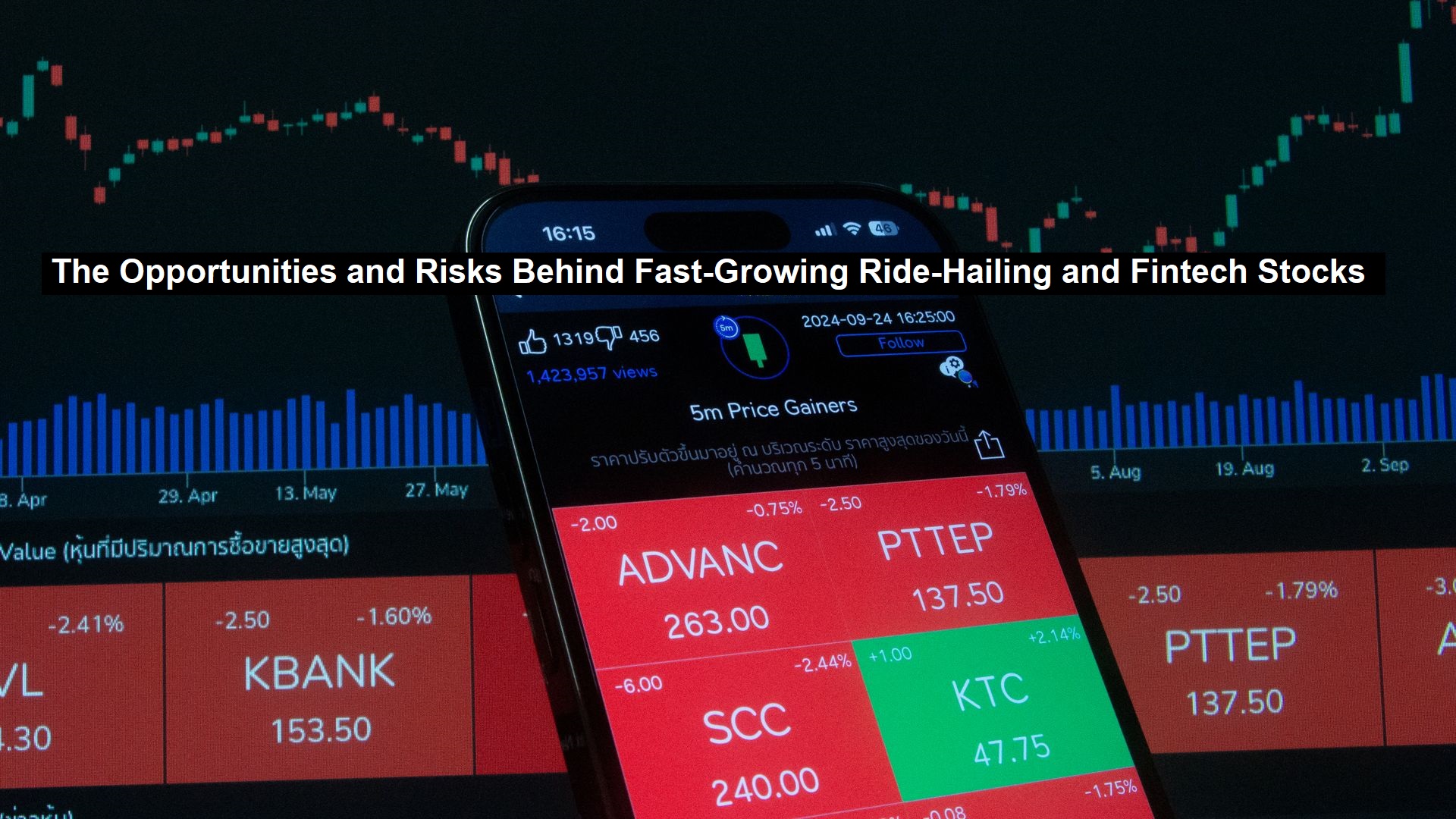
The rise of digital platforms has transformed the way people move, pay, invest, and manage their finances. Over the past decade, ride-hailing and fintech companies have evolved from disruptive startups into major players in global markets, attracting significant investor attention along the way. Their rapid growth, expanding customer bases, and ability to reshape traditional industries have made them appealing opportunities for investors seeking exposure to innovation-driven businesses.
Fast-growing companies often face unique challenges that can impact their long-term performance. Regulatory changes, profitability concerns, competitive pressures, and shifting consumer behaviour all play important roles in determining whether these businesses can sustain their momentum. Understanding both the opportunities and risks is essential for anyone evaluating stocks in these sectors.
Why Ride-Hailing and Fintech Continue to Attract Investors
Ride-hailing companies have fundamentally changed urban transportation. By connecting passengers and drivers through digital platforms, they offer convenience, flexibility, and accessibility that traditional transportation models often struggle to match. As smartphone adoption continues to grow globally, these services remain well-positioned to reach new markets and customer segments.
Fintech businesses have followed a similar path by modernising financial services. From digital payments and mobile banking to lending and investment platforms, fintech firms have created solutions that simplify financial transactions and improve access to financial products. Industry experts and major financial institutions widely recognise that digital financial services are becoming a permanent part of the global economy.
Investors are often drawn to these sectors because they operate in large addressable markets with substantial room for expansion. As technology adoption increases across emerging and developed economies, many companies continue to find opportunities to grow revenue through new products, geographic expansion, and strategic partnerships.
The Growth Drivers Supporting Long-Term Potential
One of the strongest drivers behind ride-hailing companies is their ability to expand beyond transportation. Many firms have developed ecosystems that include food delivery, logistics services, and digital financial products. This diversification can help create multiple revenue streams while strengthening customer loyalty.
Fintech companies benefit from several long-term trends, including increasing digital payment adoption, declining reliance on cash transactions, and growing demand for financial inclusion. In many regions, digital platforms provide financial services to populations that previously had limited access to traditional banking systems. This creates significant opportunities for customer acquisition and market penetration.
For investors evaluating companies operating at the intersection of transportation and financial technology, monitoring business performance indicators remains important. Many market participants closely follow metrics such as revenue growth, profitability trends, and user engagement. Some investors also monitor indicators such as the Grab share price to gain insight into how the market is valuing businesses that combine ride-hailing services with expanding fintech operations.
The Challenges That Investors Should Not Ignore
Despite impressive growth stories, many companies in these sectors face profitability challenges. Rapid expansion often requires significant investment in technology, marketing, customer acquisition, and operational infrastructure. While revenue may grow quickly, sustainable profits can take longer to achieve.
Regulatory uncertainty represents another major risk. Governments around the world continue to evaluate policies related to ride-hailing operations, worker classification, data privacy, digital payments, and financial services. Changes in regulations can affect operating costs, business models, and growth prospects. Investors should pay close attention to regulatory developments in the regions where these companies operate.
Competition can also create pressure on performance. The barriers to entry for many digital services are lower than those of traditional industries, leading to intense rivalry among established firms and emerging challengers. As companies compete for users and market share, pricing pressure and increased spending can impact margins and investor expectations.
Read: 7 Ways to Effectively Adjust Your Deals and Showcasing Teams
Evaluating Financial Strength and Business Quality
When assessing fast-growing companies, investors should look beyond headline growth figures. Revenue expansion is important, but it should be considered alongside profitability metrics, cash flow generation, and operational efficiency. Strong growth supported by improving financial fundamentals is often more sustainable than growth driven solely by aggressive spending.
Management quality is another critical factor. Leadership teams that demonstrate disciplined capital allocation, strategic decision-making, and adaptability are generally better positioned to navigate changing market conditions. Investors often benefit from reviewing management commentary and long-term business strategies to understand how executives plan to create shareholder value.
Diversification within the business can also strengthen resilience. Companies that generate revenue from multiple products or services may be better equipped to withstand economic slowdowns or changes in consumer behaviour. This is particularly relevant in sectors where customer preferences and technology trends can evolve rapidly.
Conclusion
Ride-hailing and fintech companies represent some of the most dynamic areas of the modern economy. Their innovations continue to transform transportation, payments, lending, and digital commerce, creating opportunities for businesses, consumers, and investors alike. As technology adoption expands globally, many of these companies remain positioned to benefit from powerful long-term trends.
Successful investing requires more than identifying promising industries. By carefully assessing financial strength, competitive positioning, regulatory exposure, and long-term strategy, investors can make more informed decisions about the opportunities and risks associated with fast-growing ride-hailing and fintech stocks. A thoughtful, research-driven perspective remains one of the most valuable tools for navigating these evolving sectors.